
While I don’t exactly enjoy spending money on tire purchases, at least I feel like I’m getting something for what I’m spending. Paying a shop between $100 and $120 to mount and balance each set of tires? That just frustrates me! Considering how often many of us racers need race tires mounted and balanced, this becomes expensive quickly. There’s got to be a better way.
Tire Mounting:

I first looked into manual tire mounting machines such as the Roger Kraus System which retails for $565 plus shipping. My online searches didn’t produce any used units available and from what I saw when used ones do go on sale, they go quickly and tend to hold their value. I spoke with the company for a bit and it sounded like it might work. My concern is that the Hoosier tires I use are even a challenge to the experienced guys who work at tire shops. (I put a 225 wide tire on a 6″ wide rim.) When talking with them about this concern, they said that it does take some time to get the technique down. If you’ve read any of our garage adventure articles, you’ll quickly realize that maybe this isn’t the ideal solution for us. I know what you maybe thinking – I wish they tried it and captured the mayhem on video!
Then I began looking at pneumatic tire mounting machines. I found a used one from a shop that had closed down, but later realized that this was quite an old model and while okay for steel rims, there’s a high probability it would damage my race wheels. This would totally defeat my goal of saving money, therefore I ended up opting to pass on it. The  better models quickly jumped in price. I estimated that would cost around $1,200 for a decent used machine. Then on top of that, it requires that you have an air compressor capable of 150 psi or more. The air compressor I currently have probably wouldn’t be adequate which means yet another expense. I attempted to justify purchasing the larger air compressor because it is something that I’d like to have, but that goes against my current goal of saving money for track time.
Evaluating the tire mounting decision further: The average price I’ve found to mount a tire is $10 each. Even to reach a cost break even on the manual machine, we’re looking at a minimum total of 60 tires (shipping costs for me would be more, but that’s close enough for this purpose). That’s a lot of tire mounting. Then factoring in time and potential frustration, it is hard to justify purchasing a tire mounting machine. With most race tires having a stiff sidewall, mounting them can be challenging even for guys in the industry who are experienced and have quality equipment.
Tire Balancing:
There still was the potential opportunity to save money on tire balancing. Again based on the averages I see, tire balancing averaged $15 – $20 per tire for the shops I frequent. It quickly became evident that purchasing a dynamic balancing machine (spin balancing) like tire shops utilize would be too expensive (over $1,000). I then learned about static balancers which are also referred to as “bubble balancers”. As with most topics researched on the web, you’ll find quite a bit of conflicting information about using this type of balancing machine. A downside of the static balancing method is it can still result in the wheels having dynamic imbalance. Dynamic Imbalance occurs when there is unequal weight on one or both sides of the wheel assembly’s lateral center line, which then results in side-to-side wobble or wheel shimmy. At the same time, this was the method used for many years before the better dynamic balancing machines were available. I was able to find a static balancing machine on sale for $60 at HarborFreight (currently it is $69). It was also necessary to purchase a package of wheel weights, but they were on sale for only $4 which included 12 strips. For an investment of less than $75, balancing a set of rims would almost cover this expense. Why not give it a try?
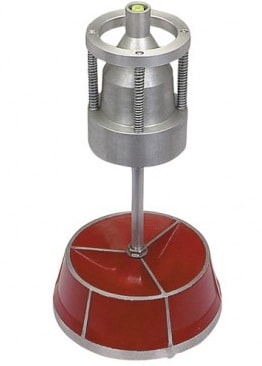
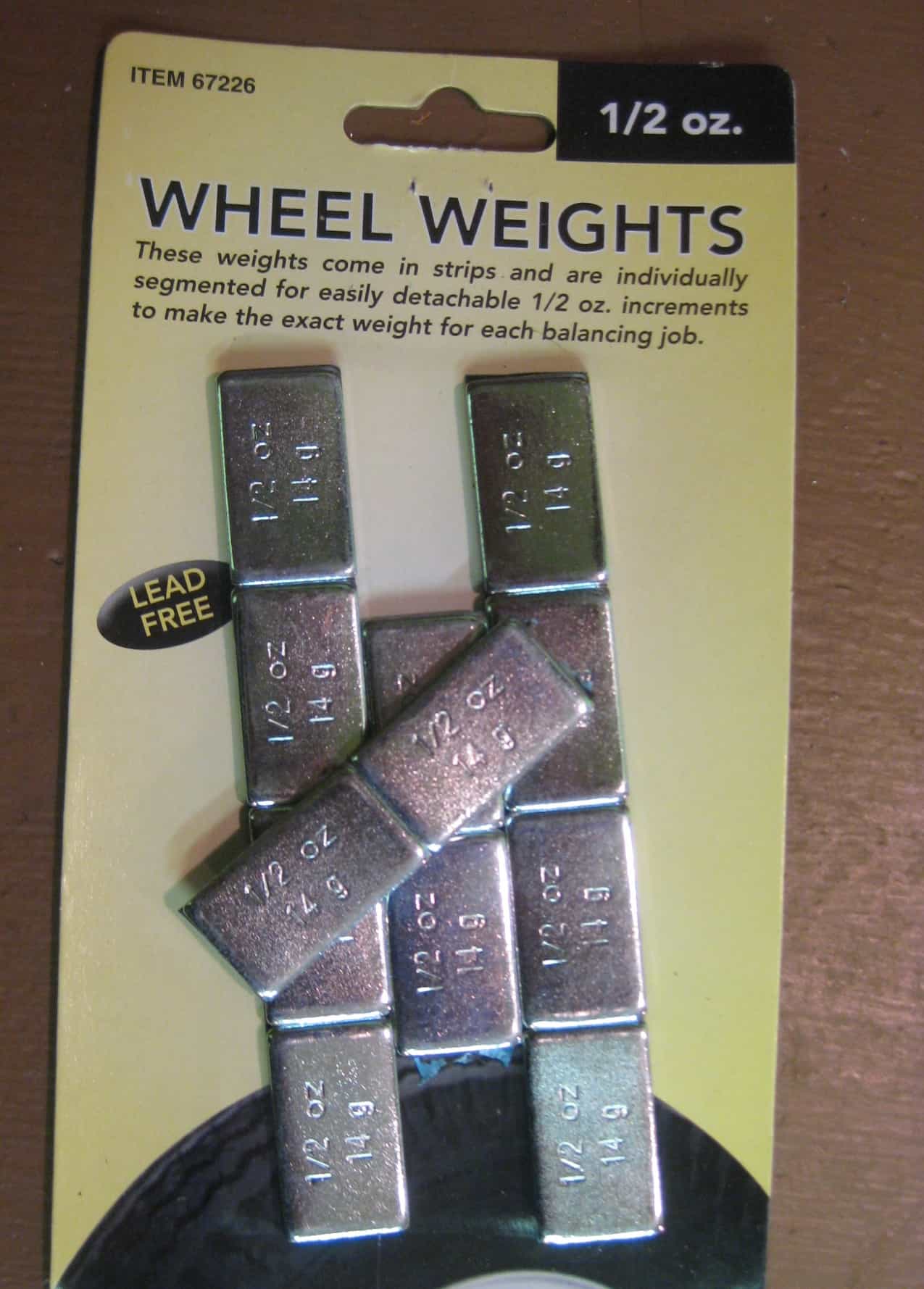
That weekend I was in need of having a set of tires mounted and balanced. I brought the tires to the shop, had them mounted and walked away with a bill of $40. Not bad considering how much of a struggle it can be to mount race tires. Now for the balancing act. Admittedly I was a bit nervous about balancing them, but the process turned out to be fairly simple and quick to complete. I informed Kai about my purchasing this machine and he wasn’t quite enthusiastic with my saying “this method should work.” Instead of getting “Dave, that’s a brilliant idea!” I quickly received a reply message of “dude, you know our track record with these types of things, right?”
Well don’t worry Kai, we’ll first give this a try with your Civic rims and tires. <grin>
Depending on how lucky I get, it typically takes less than 5 minutes to balance each rim. Like most things, the more experience one gets the faster this process becomes.
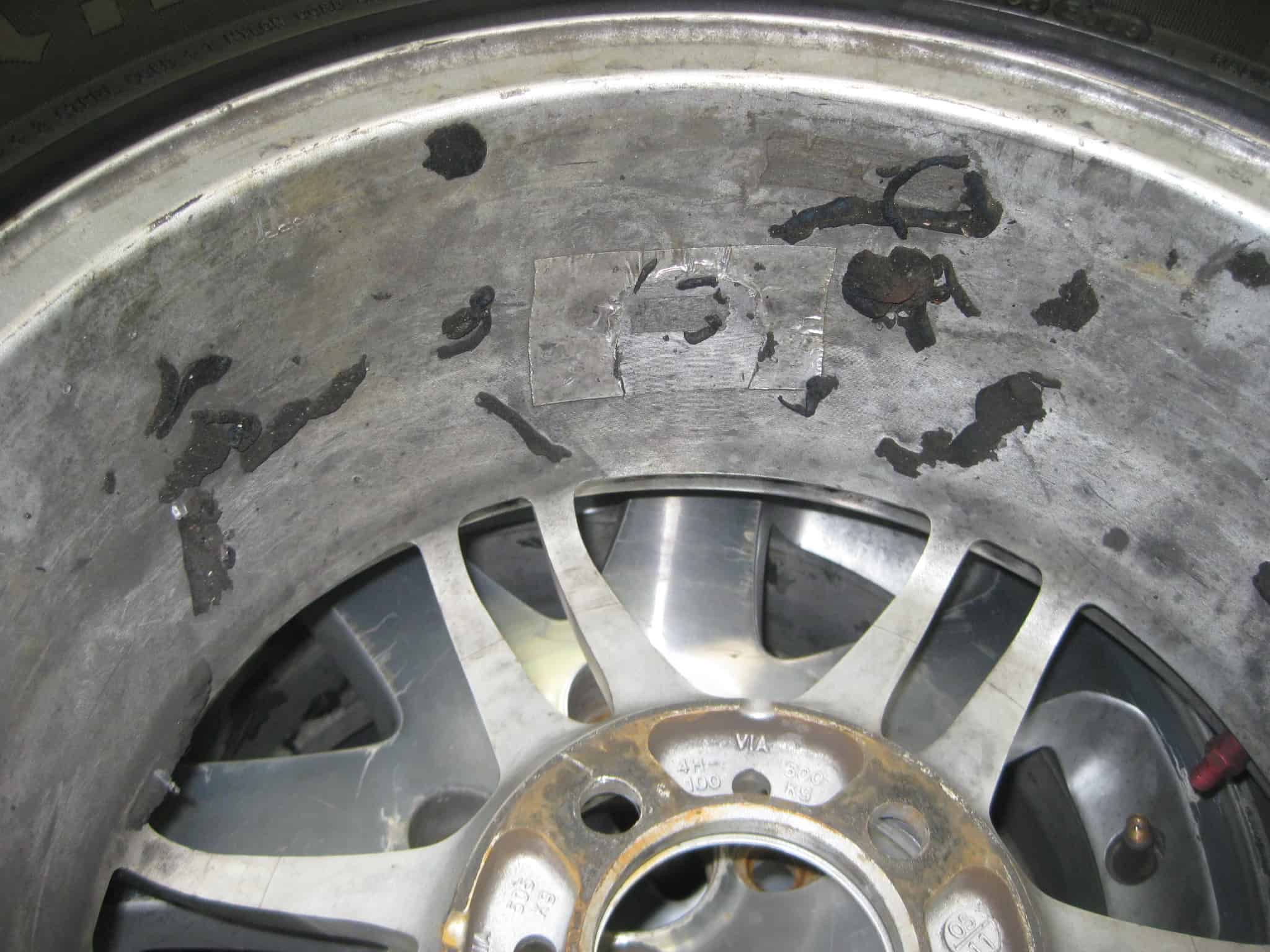 I’ve now used the static balancing machine successfully to balance multiple sets of race tires / rims. When out on the track I have not noticed any imbalance in the wheels. The first time out I was almost expecting the steering wheel to shake. Is there any imbalance? Quite possibly but even when inspecting the tires after a session, there’s often a fair amount of rubber stuck to the wheel anyway which also causes it to be out of perfect balance. If I were racing a ultra fast formula car, I doubt that I’d attempt to use this method but it works great for the majority of cars we race. It was absolutely a worthwhile investment for me.
What are your thoughts? Will you give one of these a try? Or will you still prefer to have a shop mount and balance your race tires and rims?
Note: I still will have a tire shop use a dynamic balancing machine for my street cars especially because they require balancing so infrequently.